International EXC2 Summer School: The Land-Sea Interface
Place: Oldenburg + Spiekeroog
Date: 6. – 16.7.2026
Be one of 12 ECRs* from the NMU or 12 ECRs* from UOL /AWI / UNI Bremen
Credits Points: 3
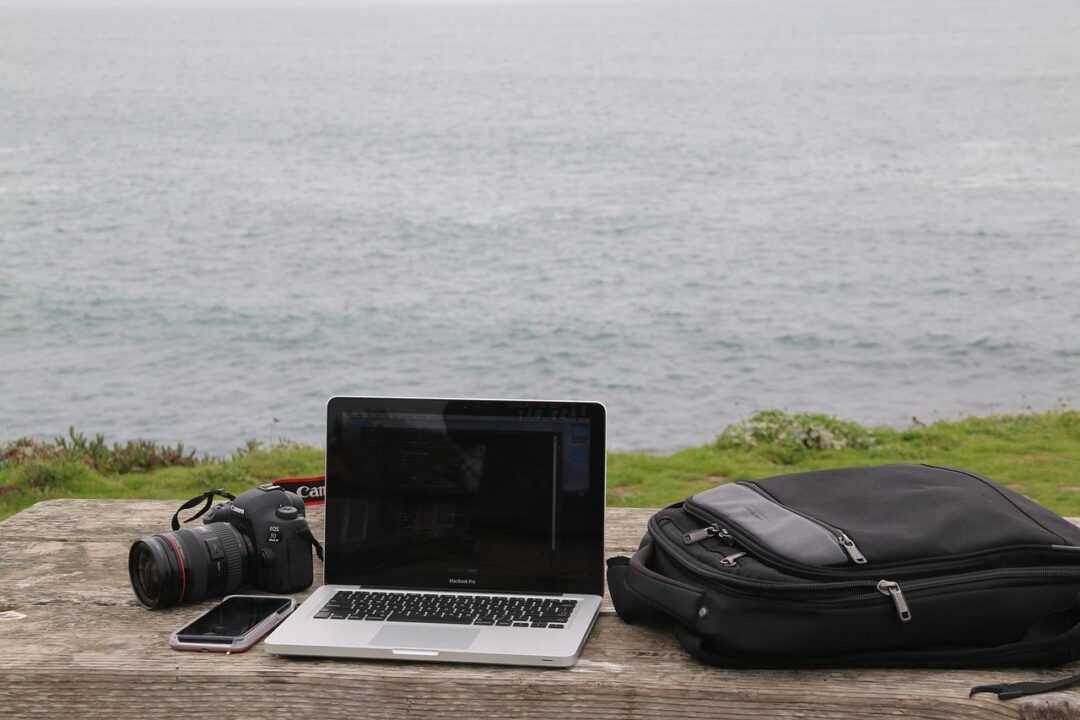
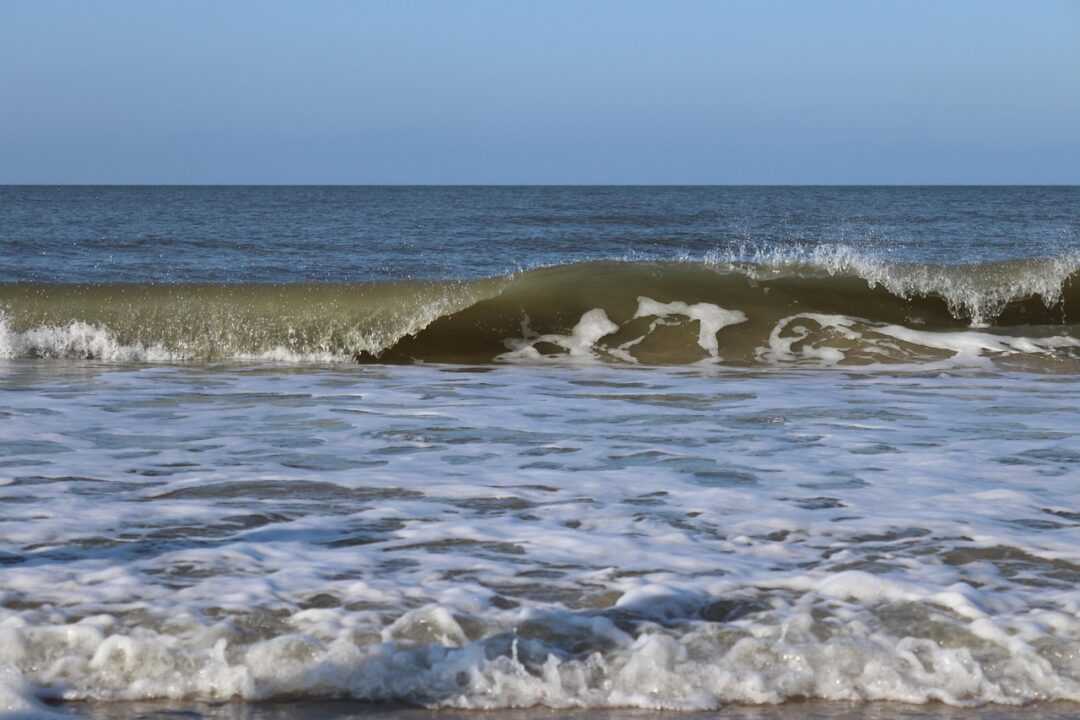
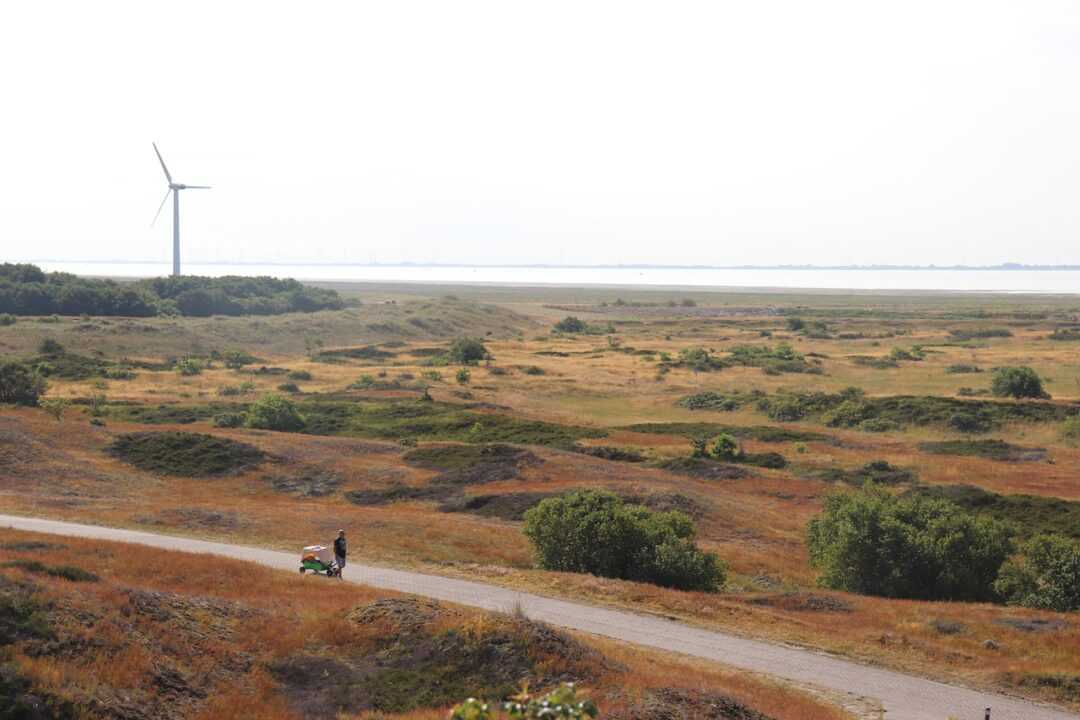
This Summer School will explore biodiversity and biogeochemical patterns along environmental gradients in coastal ecosystems. The course is separated in a field-based course on Spiekeroog island (Wadden Sea, Germany) and a data-based evaluation phase in Oldenburg (Northern Germany). Emphasis is to learn how to work with and analyse multidimensional data. Participants will design their own projects by formulating research questions, developing hypotheses, and creating a work plan, which we will analyse together and present as a joint poster presentation at the end of the course.
* We welcome applications from early career researchers in the marine sciences and preference will be given to applicants who are currently registered PhD candidates at UOL / AWI / Uni Bremen or NMU. However, we will also consider late-stage MSc students or postdoctoral fellows who recently graduated with their PhD, provided that a strong motivation is attached to the application.
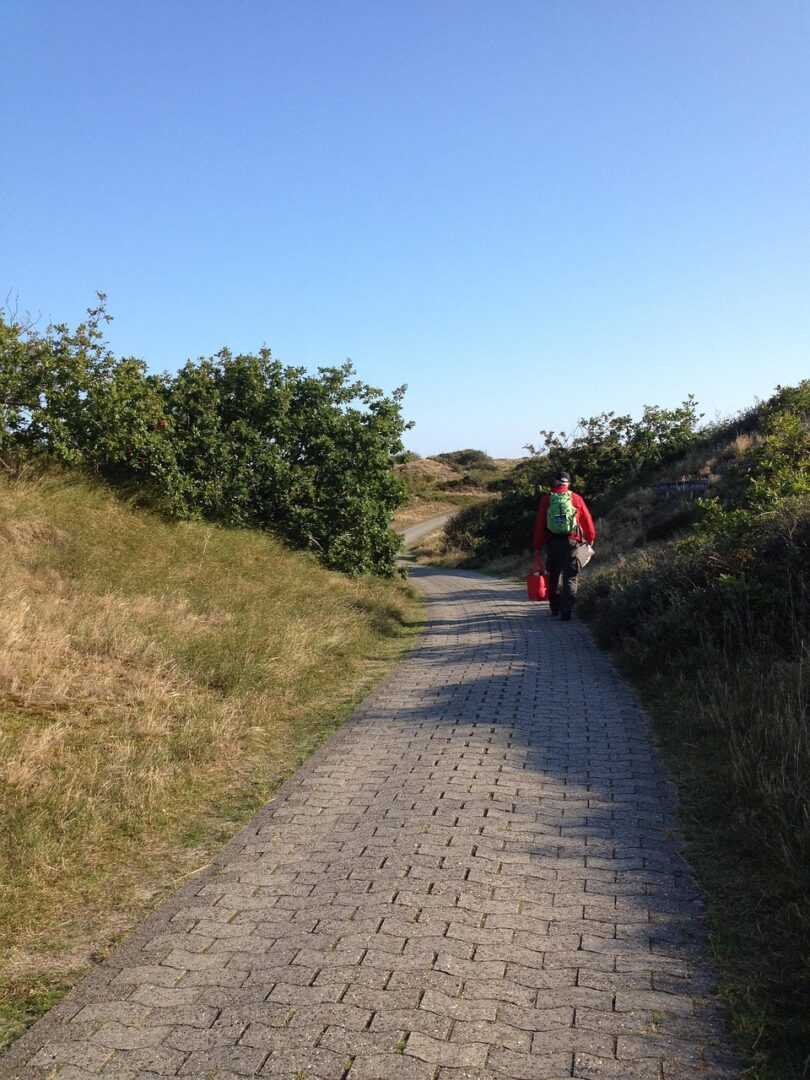
The field phase (6.-10.7. 2026) starts with an introduction to the island and exploration of the major ecosystem types. Students will engage in field-based projects under the supervision of the lecturers, which can focus on biogeochemical gradients along beach gradients, on vegetation across dune age and elevation gradients, as well as work on saltmarshes and the macrozoobenthos in the intertidal zone of the German Island Spiekeroog. We also offer to work on existing data or to engage in a more social-science inspired project, e.g. using tourist surveys or plastic monitoring. The field trip ends with a joint boat-trip to get to know some of the long-term research infrastructure and boat-based sampling methods. The field program will be complemented by lectures on biodiversity analysis, time series data analysis, coasts under global change and interactions with stakeholders – and of course a lot of time to chat, network and interact.
Following the fieldwork, participants will return to Oldenburg for analysis of the data collected on the island or existing data (12.-16.7.2026). Additional lectures will cover estuary management, mangrove conservation, ecosystem services of animals and biomats in coastal sediments and blue carbon restoration in South Africa and the Western Indian Ocean. The students will also be requested to pitch their PhD thesis topic to the fellow ECRs. Training in science communication and knowledge transfer will round out the program, enabling participants to effectively communicate scientific findings and to foster understanding of coastal ecosystem conservation.
The program will conclude with an ECR symposium, where participants present their research to a broader audience of researchers from UOL and HIFMB.

- Michael Kleyer – UOL
- Gudrun Massmann – UOL
- Helmut Hillebrand – UOL / HIFMB
- Janine Adams – NMU
- Anika Happe – UOL
- Danai Tembo – NMU
- Denise Schael – NMU
- Sven Rohde – UOL
- Gavin Rishworth – NMU
- Flights to and from South Africa will be covered and organized.
- Accommodation, meals, admission fees, and transportation will be covered during the summer school program for the participants.
- Please arrange your own visa for Germany.
- Valid health insurance for Germany is recommended.
Application deadline: 15th February 2026 – call is closed
Further info:
EXC² is funded by the Ministry for Science and Culture of Lower Saxony and the Volkswagen Foundation through the “Niedersächsisches Vorab” grant program (grant number ZN3672).

Last updated: 7th April 2026
Partners