From tooth fish to food webs, from molecular genetic tools to underwater acoustics: dive into our current research
Topics
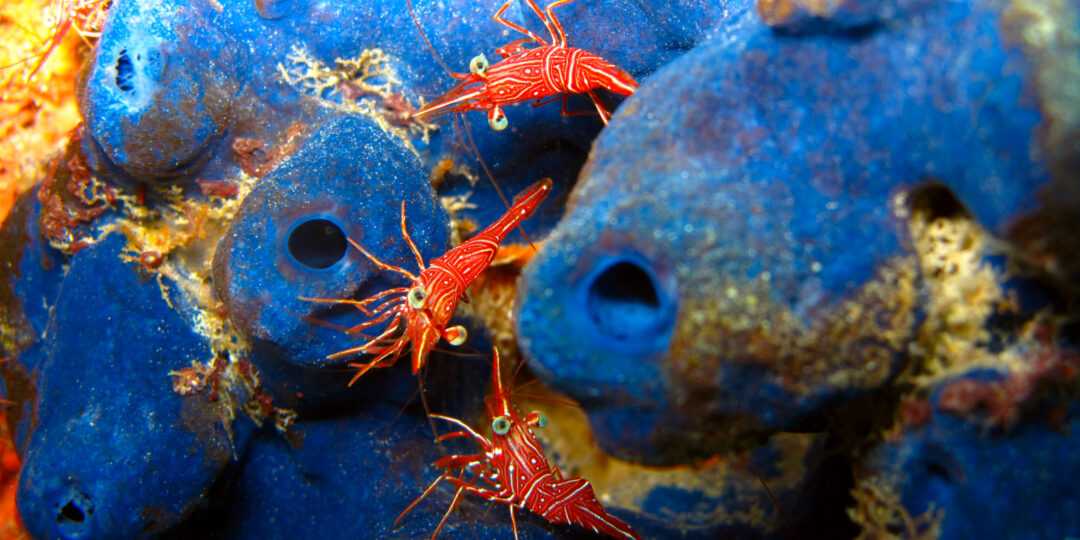
Global Biodiversity Targets Catch Up with Science
The United Nations Decade on Biodiversity (2011–2020) saw a surge in research and policy efforts to halt biodiversity loss. However, the Aichi Targets, adopted in 2010, were often criticised for not fully capturing the breadth of marine biodiversity. The new GBF, agreed at COP15, aims to address these gaps.
Did you know?
Unicellular plankton covers a size range that is comparable to the size difference between a small fish and a city like Oldenburg.

Embracing Tensions in Research, or: Why I Can’t Answer the Question, “What is the ocean?”
Tension. What springs to mind when you think of tension? Images of frustration and anxiety might arise; situations you may not want to revisit, interactions you’d rather forget. As someone who suffers from anxiety and PTSD on a daily basis, it seems counterintuitive for me to argue that tension can be good. But I think it can be.
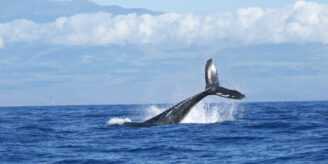
How Singing Whales Tell us Where They Come From
The humpback whale is probably the most iconic species among the baleen whales. Anyone who listens to Kate Bush knows their long and complex songs. These songs are produced by humpback whale males as a reproductive display, most likely transferring information about individual fitness both to surrounding females and males. Humpback whales accumulate during the winter …
Shade Sails for Coral Reef Recovery
Tropical coral reefs are changing. Some researchers suggest that modern tropical reefs could take the shape of habitat mosaics. Each patch of the mosaic are small patch-habitats of different regime types (e.g. coral-, sponge-, or algae-dominated) that coexist next to each other.
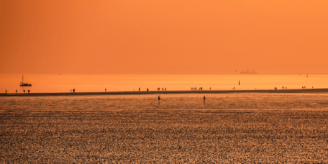
The Wadden Sea and Its Stakeholders
The Wadden Sea creates the largest unbroken tidal flat system in the world. This allows marine organisms of all shapes and sizes to flourish and draws in other migratory species like birds and seals from great distances. However, climate change and other anthropogenic forces have disrupted the balance of the Wadden Sea.
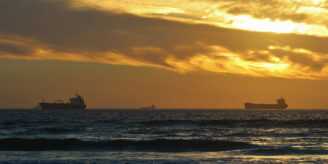
Grant for New Project on Ocean Infrastructure
Oceans are vital for the transport of goods and data – but they are not in good shape. How can we reconcile the benefits for people and the protection of the oceans? How can the sea be sustainably used and protected?
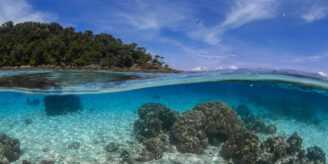
A Shot to Beat the Heat?
Could a probiotic ‘vaccination’ protect tropical corals from environmental stress? Researchers have been observing large-scale coral bleaching since the 1980s, caused in particular by climate change and the resulting continuous rise in water temperatures in our oceans.